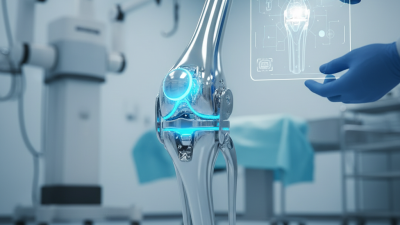
2026 Best Orthopedic Procedural Education Solutions
In 2026, Orthopedic procedural education is moving beyond static lectures and generic video libraries. Modern solutions combine deliberate practice, image-guided simulation, expert feedback, and measurable competency standards. A trainee should not only watch a fixation technique. They should position the limb, select instruments, manage a simulated complication, and explain each decision clearly.
The strongest platforms reflect real operating-room pressure. High-fidelity models can recreate fracture patterns, soft-tissue limitations, and changing visibility during procedures. Digital modules may support preoperative planning with annotated imaging and step-by-step procedural maps. Faculty dashboards can track preparation time, technical errors, communication quality, and repeated performance. Small details matter. A misplaced guidewire can change the entire learning discussion.
Reliable education requires more than impressive technology. Content should be reviewed by experienced orthopedic surgeons, aligned with current evidence, and updated when techniques or safety guidance change. Assessment results should be transparent, reproducible, and connected to supervised clinical practice. Patient safety remains the central measure.
Yet no solution is perfect. Virtual environments may simplify bleeding, uncertainty, or team dynamics. Some learners may also overtrust automated feedback. That limitation deserves attention. The best 2026 solutions will combine simulation with mentorship, case review, and honest reflection. They will support surgeons at different training levels without pretending that digital practice replaces clinical judgment. When carefully implemented, these tools can make procedural learning more consistent, observable, and safer for patients.
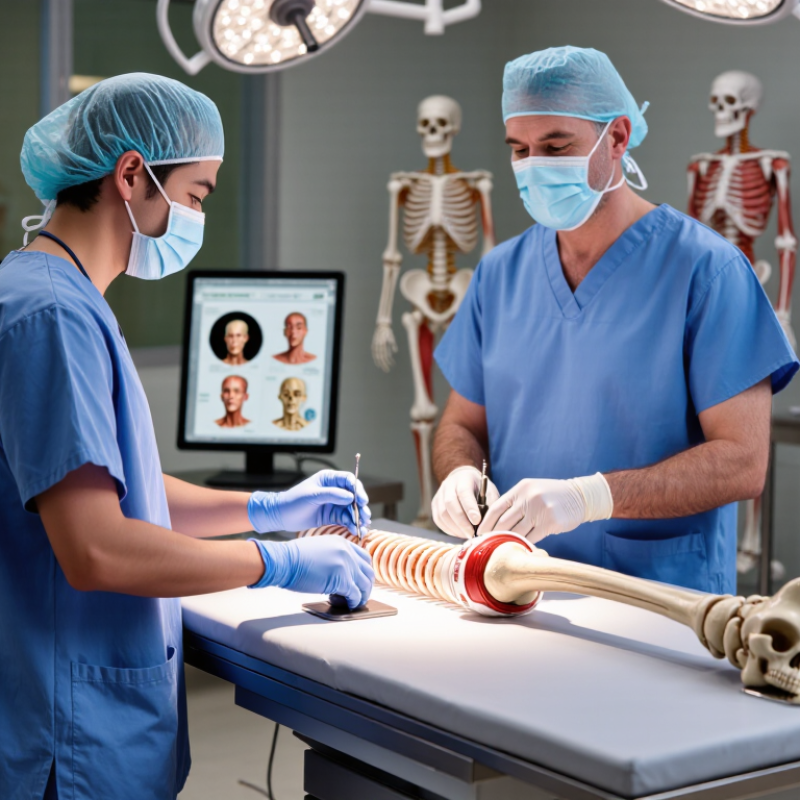
Global Burden: 1.71B People Live With Musculoskeletal Conditions (WHO)
2026 Best Orthopedic Procedural Education Solutions
The global orthopedic challenge is larger than operating rooms suggest. The World Health Organization estimates that 1.71 billion people live with musculoskeletal conditions worldwide. These conditions can limit walking, employment, sleep, and independence. The burden is visible in a patient’s guarded movement, not only in hospital statistics.
The Global Burden of Disease Study reported that low back pain affected about 619 million people in 2020. Its analysis projects nearly 843 million cases by 2050.
These figures demand procedural education that develops judgment, not memorized hand movements. Learners need realistic anatomy, ultrasound guidance, complication recognition, and repeated practice with feedback.
Clinical simulation can expose errors before they reach a patient.
The Lancet Rheumatology has also emphasized the growing long-term burden of musculoskeletal disorders. Education programs should therefore measure more than course attendance. They should assess technical accuracy, communication, sterile technique, and decisions under pressure.
Short assessments help, but they cannot reproduce every clinical uncertainty. No curriculum is perfect.
I would still question any program that reports confidence without measuring patient-centered competence. Local disease patterns, resource limits, and supervised clinical experience must shape the final learning pathway.
Workforce Gap: AAMC Projects a U.S. Physician Shortage by 2036
2026 Best Orthopedic Procedural Education Solutions
The AAMC projects a U.S. physician shortage of up to 86,000 doctors by 2036. Orthopedic services may feel this pressure through longer referrals, crowded operating rooms, and fewer trained procedural educators. Workforce planning must therefore connect education with real clinical demand.
Effective orthopedic education should combine supervised practice, case-based learning, and realistic simulation. Learners can rehearse fracture fixation, joint procedures, and complication management before entering the operating room. Structured assessments should measure technical skill, judgment, communication, and safe decision-making. Experienced faculty can review recorded sessions and provide specific feedback. That guidance is valuable, but it is not perfect. A checklist may confirm steps while missing hesitation, teamwork, or patient-centered judgment. Programs should review outcomes regularly and adjust training when evidence changes.
Tips: Use short simulation sessions. Track competency over time. Pair learners with trained mentors. Include complications, not only ideal cases. Protect time for feedback. Technology supports education, but it cannot replace supervised clinical experience. ad.
Curriculum Design: Align Procedures With AAOS Core Competencies
Effective orthopedic procedural education begins with competency mapping. Each procedure should connect to a defined AAOS core competency, not simply appear in a crowded course schedule. A learner performing knee aspiration needs more than technical steps. The curriculum should address indications, consent, sterile preparation, anatomy, complications, and post-procedure care. Short demonstrations can show hand position, needle angle, and tissue handling. Deliberate practice follows with supervised performance.
Assessment should resemble real clinical work. Faculty can use structured checklists during simulation and direct observation in clinical settings. They should assess judgment, communication, safety habits, and technical accuracy. A procedure log may show exposure, but it cannot prove competence alone. Learners need specific feedback after each attempt. “Your sterile field broke here.” That detail is useful. Faculty evaluators should maintain current procedural experience and calibrate scoring together.
Curriculum review must remain practical and honest. A pilot course may reveal that learners remember sequence but miss patient concerns. Another exercise may feel realistic but measure little. That is a warning, not a failure. We should revise scenarios, timing, and assessment criteria based on learner performance and faculty review. Some competencies may require repeated practice. Others need case discussion before instruments are introduced. The curriculum becomes stronger when educators question their assumptions and document each change.
2026 Best Orthopedic Procedural Education Solutions - Curriculum Design: Align Procedures With AAOS Core Competencies
| Procedural Domain | Representative Procedures | AAOS-Aligned Competency Focus | Learning Objectives | Recommended Learning Sequence | Assessment Method | Suggested Mastery Threshold | Priority |
|---|---|---|---|---|---|---|---|
| Preoperative Evaluation and Planning | History and physical examination, radiographic planning, informed consent, surgical-site verification | Patient care; medical knowledge; communication; professionalism | Formulate an evidence-informed diagnosis, identify patient-specific risk factors, explain alternatives, and document a safe operative plan. | Case review → imaging workshop → supervised clinic planning | Chart review, oral case presentation, consent observation | ≥ 80% checklist completion | High |
| Aseptic Technique and Operating-Room Safety | Surgical scrub, gowning and gloving, sterile draping, instrument handling, surgical safety checklist | Patient care; systems-based practice; professionalism | Maintain sterile technique, communicate critical safety steps, and respond appropriately to contamination or equipment concerns. | Demonstration → deliberate practice → operating-room observation | Direct observation with critical-error scoring | Zero critical breaches | High |
| Fracture Care and Internal Fixation | Closed reduction, splinting, intramedullary nailing, plate fixation, postoperative alignment assessment | Patient care; medical knowledge; practice-based learning | Select fixation principles based on fracture pattern, restore alignment and stability, protect soft tissues, and recognize complications. | Anatomy review → simulation → cadaver or model lab → supervised cases | Technical skills checklist, radiographic review, case-based viva | ≥ 3 consecutive satisfactory ratings | High |
| Arthroscopy and Minimally Invasive Techniques | Diagnostic knee or shoulder arthroscopy, portal placement, meniscal or labral procedures | Patient care; medical knowledge; practice-based learning; communication | Identify relevant anatomy, establish safe portals, maintain orientation, use instruments efficiently, and minimize iatrogenic injury. | Virtual simulation → box trainer → supervised arthroscopy | Objective structured assessment and video review | ≥ 85% technical score | High |
| Joint Arthroplasty | Primary hip or knee replacement steps, component positioning, soft-tissue balancing, wound closure | Patient care; medical knowledge; systems-based practice; professionalism | Explain indications and risks, execute key operative steps under supervision, prevent infection and thromboembolic complications, and plan follow-up. | Pre-reading → implant and instrumentation lab → simulation → supervised surgery | Procedure-based assessment, complication-plan review | All critical steps completed safely | High |
| Spine Procedures | Positioning, decompression principles, basic instrumentation, neurologic monitoring awareness | Patient care; medical knowledge; communication; systems-based practice | Protect neural and vascular structures, interpret relevant imaging, recognize neurologic deterioration, and escalate concerns promptly. | Imaging conference → anatomy lab → simulation → supervised exposure | Case discussion, emergency-response simulation, direct observation | 100% completion of safety actions | High |
| Hand, Wrist, and Microsurgical Skills | Tendon repair principles, nerve and vessel handling, fracture fixation, microsurgical suturing | Patient care; medical knowledge; professionalism; practice-based learning | Demonstrate atraumatic tissue handling, apply regional anatomy, select appropriate repair strategies, and provide functional rehabilitation guidance. | Fine-motor drills → microsurgical laboratory → supervised procedures | Global rating scale, motion analysis, postoperative plan review | ≥ 4 of 5 global rating | Medium |
| Pediatric Orthopaedics | Casting and reduction, developmental hip assessment, pediatric fracture management | Patient care; communication; professionalism; medical knowledge | Adapt examination and consent to developmental stage, recognize growth-plate considerations, and communicate effectively with children and caregivers. | Pediatric assessment module → casting lab → supervised clinic and procedures | Observed clinical encounter, casting checklist, communication rating | ≥ 80% and no safety omissions | Medium |
| Soft-Tissue Reconstruction and Wound Management | Debridement, wound closure, flap principles, negative-pressure wound therapy | Patient care; medical knowledge; systems-based practice | Classify wound severity, perform appropriate debridement principles, coordinate multidisciplinary care, and identify infection or ischemia early. | Wound assessment → debridement simulation → multidisciplinary case review | Scenario-based assessment and care-plan audit | ≥ 85% clinical decision score | Medium |
| Perioperative and Postoperative Care | Pain management, venous thromboembolism prevention, early mobilization, discharge planning, follow-up | Patient care; systems-based practice; communication; professionalism | Create individualized recovery plans, reconcile medications, identify common complications, and provide clear discharge instructions. | Clinical pathway review → ward-based practice → transition-of-care simulation | Discharge audit, handoff observation, complication case review | ≥ 90% required elements | High |
| Complication Recognition and Crisis Management | Compartment syndrome response, postoperative infection, implant failure, hemorrhage, neurovascular compromise | Patient care; medical knowledge; communication; systems-based practice | Recognize time-sensitive complications, initiate stabilization, communicate escalation clearly, and participate in root-cause analysis and prevention. | Case triggers → high-fidelity simulation → morbidity and mortality review | Simulation performance, response-time tracking, reflective practice log | 100% completion of escalation steps | Critical |
| Evidence-Based Practice and Quality Improvement | Literature appraisal, surgical outcomes review, infection-prevention audit, registry or pathway improvement | Practice-based learning and improvement; medical knowledge; systems-based practice | Use clinical evidence appropriately, interpret outcomes data, identify process variation, and implement a measurable improvement cycle. | Evidence workshop → audit-and-feedback cycle → improvement presentation | Critical appraisal rubric, project dashboard, peer review | Completed PDSA cycle with outcome measure | Strategic |
| Team Communication and Professional Conduct | Team briefings, structured handoffs, shared decision-making, consent conversations, feedback exchanges | Interpersonal and communication skills; professionalism; systems-based practice | Communicate respectfully, use structured handoff methods, disclose errors appropriately, and incorporate feedback into performance improvement. | Workshop → role play → operating-room and clinical observation | Multi-source feedback, communication OSCE, professionalism log | No unresolved professionalism concerns | Strategic |
Solution Comparison: Simulation, VR, Cadaveric, and AI-Assisted Learning
Orthopedic education in 2026 should connect technical practice with measurable clinical judgment. Simulation allows trainees to rehearse screw placement, instrument handling, and unexpected bleeding without patient risk. Faculty can observe hand position, timing, and sterile technique. The feedback feels immediate. However, basic models may not reproduce fragile bone or difficult anatomy accurately.
Virtual reality offers repeatable cases, adjustable difficulty, and useful performance data. Learners can practice a complex fracture several times before entering the operating room. It also supports remote teaching. Yet, visual realism does not always equal tactile realism. Haptic feedback remains limited, and some users may focus on scores rather than surgical reasoning.
Cadaveric education provides unmatched anatomical detail and realistic tissue planes. It helps experienced surgeons refine approaches, positioning, and instrument angles. Proper consent, facility standards, and institutional oversight are essential. The method is costly and cannot easily provide unlimited repetition.
Artificial intelligence can add adaptive questioning, case variation, and structured feedback after simulation or VR sessions. It may identify repeated errors, such as poor trajectory control or delayed decision-making. Still, AI output requires expert review, reliable data, and careful privacy controls. No format is perfect. A blended curriculum may work best, but educators should measure real skill transfer instead of assuming digital confidence reflects operating-room competence.
Outcome Review: Rank Programs by Proficiency, Transfer, and Safety Data
Orthopedic procedural education in 2026 should be judged by outcomes, not polished course design. A strong ranking begins with measured proficiency. Programs should report task completion, instrument handling, anatomical accuracy, and error frequency. Independent assessors can score recorded simulations using consistent rubrics. Learner confidence matters, but it cannot replace observed performance.
Transfer data shows whether training survives beyond the simulation center. Reviewers should examine supervised operating-room performance, technical retention after three and six months, and feedback from senior clinicians. Useful evidence includes checklist completion, corrective coaching, and the number of repeated attempts before competence. Short assessments may create impressive scores. Real clinical transfer is harder to prove.
Safety data deserves equal weight. Rankings should track near misses, tissue handling errors, contamination events, and escalation decisions during supervised practice. Programs with transparent incident reporting may appear weaker at first. In reality, they may demonstrate stronger professional honesty. No ranking is perfect. Small cohorts can distort results, and assessor bias can remain hidden. A careful review should publish sample sizes, scoring methods, follow-up periods, and missing data.
Experience changes the interpretation of every number. A learner who performs slowly but safely may need different support than one who works quickly and misses critical steps. The most credible programs connect technical proficiency, reliable transfer, and patient-centered safety evidence. Evidence must remain open to challenge.
Related Posts
-
10 Best Advances in Knee Replacement Technology You Should Know?
-
5 Tips for Choosing Prosthesis Fixation Methods
-
Top 10 Types of Patient Mobility Improvement Equipment
-
Top 10 Total Joint Replacement Care Tips for Global Buyers
-
What Are Bone Preservation Implants and How Do They Work?
-

Top 10 Biocompatible Implant Materials in China for Medical Applications