How to Improve Orthopedic Clinical Outcomes Effectively?
Improving orthopedic clinical outcomes is a pressing challenge in modern medicine. Healthcare providers must prioritize patient-centered strategies. The need for effective treatment methods is evident in daily clinical practice.
Orthopedic clinical outcomes rely on several factors. These include surgical techniques, rehabilitation protocols, and patient engagement. Effective communication also plays a key role. Patients must understand their treatment plans and participate actively.
Reflection on past practices reveals areas for growth. Not all patients respond similarly to interventions. Some treatments yield suboptimal results, highlighting the need for tailored approaches. By focusing on individual needs, healthcare professionals can enhance orthopedic clinical outcomes significantly.
Assessing Current Orthopedic Clinical Outcomes and Challenges
Orthopedic clinical outcomes serve as critical indicators of patient recovery and treatment efficacy. Assessing these outcomes requires a clear understanding of various factors influencing them, such as patient demographics, the complexity of cases, and the types of interventions utilized. Many healthcare facilities struggle to collect comprehensive data necessary for meaningful analysis. Inadequate tracking systems or inconsistent reporting practices can hinder the ability to fully gauge the quality of care provided.
Moreover, various challenges in achieving optimal outcomes persist. For instance, the communication between orthopedic teams and patients often lacks clarity. Patients may not fully understand their treatment plans, which can lead to poor adherence and suboptimal results. The variability in surgeon experience and technique can also significantly impact recovery times and complication rates, prompting a need for standardized best practices within orthopedic departments.
Reflection on current challenges is crucial. Identifying gaps in patient engagement and data management can illuminate pathways to improvement. Training staff to better communicate with patients about their recovery journey may enhance compliance. Emphasizing continuous education for orthopedic professionals could foster a more uniform approach to care, ultimately leading to better clinical outcomes.
Improving Orthopedic Clinical Outcomes: A Data Analysis
This chart displays the assessment of current orthopedic clinical outcomes based on different parameters. The data reflects patient satisfaction, recovery time, and complication rates over the last year.
Implementing Evidence-Based Practices in Orthopedic Care
Implementing evidence-based practices in orthopedic care is crucial for improving patient outcomes. Studies show that adherence to these practices can reduce complications and enhance recovery rates. According to the American Academy of Orthopaedic Surgeons, evidence-based approaches can improve surgical outcomes by up to 30%. This data emphasizes the need for orthopedic clinicians to integrate current research into their treatment protocols.
Training staff on the latest guidelines is vital. Clinicians should participate in continuous education to stay informed. A report from the Journal of Orthopaedic Research highlights that better-informed teams achieve higher patient satisfaction scores. However, some healthcare professionals struggle to apply evidence-based practices consistently. This gap underscores the importance of feedback and mentorship programs within orthopedic departments.
Patient involvement is another key component. Engaging patients in their treatment plans can lead to improved adherence and outcomes. The British Journal of Sports Medicine indicates that shared decision-making leads to better recovery times. Nonetheless, there are challenges in ensuring all patients understand their options. Addressing these uncertainties is essential for fostering a collaborative environment and improving overall care.
Enhancing Patient Engagement and Education for Better Outcomes
Effective patient engagement and education are crucial for improving orthopedic clinical outcomes. Research shows that when patients understand their conditions and treatment options, adherence to care plans increases significantly. A study published in the Journal of Bone and Joint Surgery highlights that informed patients are 60% more likely to follow post-operative instructions. This engagement leads to quicker recovery and reduced readmission rates.
To enhance patient education, consider using visual aids and easy-to-understand materials. Graphs and charts can simplify complex information. Encourage patients to ask questions during consultations. This interaction fosters a more comprehensive understanding of their orthopedic issues. Many patients may feel intimidated during appointments and overlook vital questions. Making them comfortable can change their engagement level.
Addressing emotional aspects is also essential. Patients often feel anxious about surgery or treatments, which can hinder their recovery process. Providing resources for anxiety management can contribute substantially to better outcomes. Listening to patient concerns helps build trust and encourages proactive management of their health. Remember, even minor lapses in communication can lead to misunderstandings. Focus on creating a two-way dialogue for a truly collaborative approach to orthopedic care.
Utilizing Advanced Technology and Techniques in Orthopedic Surgery
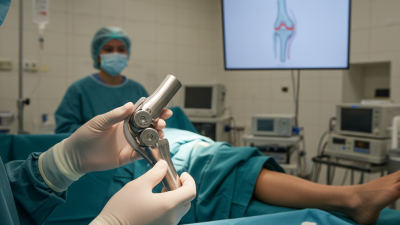
Advancements in technology have revolutionized orthopedic surgery. Surgeons now have access to innovative tools like 3D imaging and robotics. These innovations enhance precision, which is crucial for successful outcomes. The integration of augmented reality also holds promise. Surgeons can visualize complex anatomies, improving their ability to plan and execute procedures.
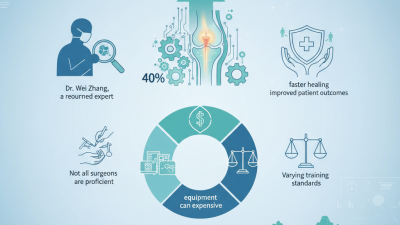
Moreover, minimally invasive techniques have gained traction. These approaches can reduce recovery time and minimize complications. Patients often experience less pain and quicker rehabilitation. However, not all orthopedic surgeons have access to these technologies. This creates a disparity in patient outcomes. It raises questions about training and resource distribution in healthcare systems.
Continuous education is vital for orthopedic surgeons. Staying updated with the latest techniques is essential for improving clinical outcomes. Regular workshops and certifications can help bridge this gap. Yet, the challenge remains significant. Not every practitioner may be willing or able to adapt to these changes, which can hinder overall progress in orthopedic care.
Measuring and Analyzing Outcomes for Continuous Improvement
Measuring and analyzing outcomes in orthopedic practices is crucial for driving continuous improvement. According to a report from the American Academy of Orthopaedic Surgeons, 40% of orthopedic practices do not systematically track patient outcomes. This lack of data hampers the ability to enhance clinical effectiveness. Implementing rigorous measurement frameworks can empower physicians to identify gaps in care delivery and adapt accordingly.
Effective outcome measurement starts with defining key performance indicators (KPIs). These KPIs can include postoperative complication rates, patient-reported outcome measures (PROMs), and readmission rates. For instance, a study published in the Journal of Bone and Joint Surgery noted that facilities tracking PROMs saw a 20% improvement in overall patient satisfaction. Regular audits of these metrics can help orthopedic departments refine their processes and improve patient care, though many facilities struggle to utilize this data effectively.
Reflecting on areas needing improvement is essential. Many orthopedic practices report inconsistencies in data collection methods. Standardizing these methods can lead to better insights. It's important to train staff on data importance and collection techniques. Engaging with patients through surveys post-treatment also encourages feedback. Such interactions can reveal insights that numbers alone might miss, showing the value of both quantitative and qualitative data.