
How to Choose the Best Smart Watches for Wholesale?
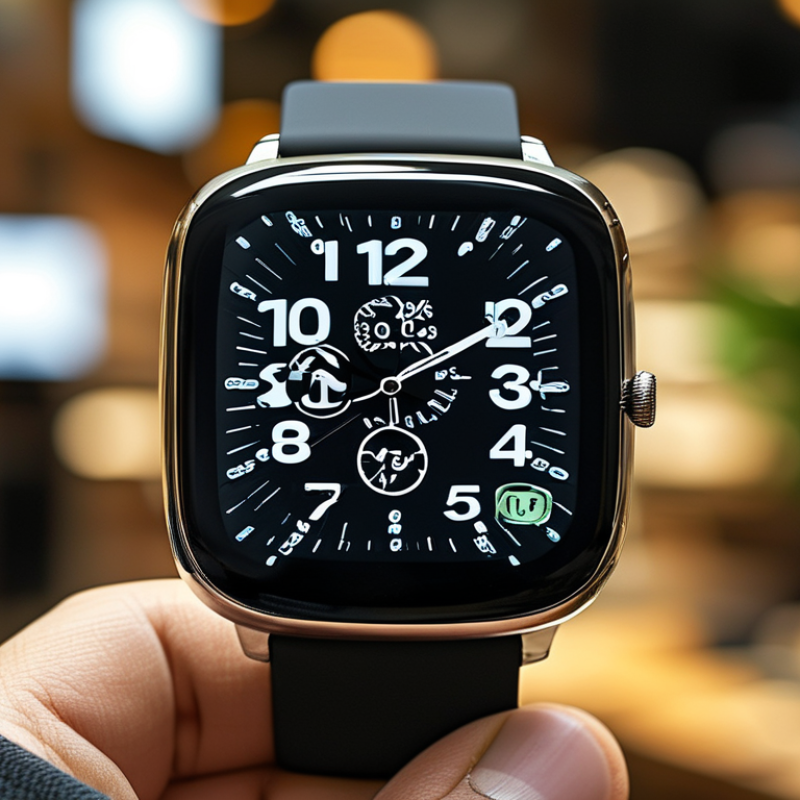
Choosing the best Smart Watches for wholesale requires more than comparing screen size and purchase price. Buyers must connect market evidence with practical retail experience. IDC’s Worldwide Quarterly Wearable Device Tracker reported 537.6 million wearable device shipments globally in 2024, representing 11.7% annual growth. However, this figure includes several product categories, not only smartwatches. Counterpoint Research reported a decline in global smartwatch shipments during 2024. The difference matters. It shows why wholesalers should question broad market headlines before placing large orders.
Demand is becoming more specific. Retailers may need reliable health tracking, bright displays, long battery life, and regional language support. A sports-focused buyer may prefer GPS accuracy and durable casing. A fashion retailer may value thin profiles, interchangeable straps, and polished packaging. Enterprise customers may prioritize app stability, warranty processing, and data security. These details affect return rates more than a low factory quotation.
Test samples carefully.
A professional wholesale evaluation should compare supplier certifications, component consistency, firmware update policies, and after-sales capacity. Battery claims deserve practical testing under ordinary use, including notifications, Bluetooth, and daily exercise tracking. Water-resistance labels also require careful interpretation, because laboratory ratings do not guarantee every swimming condition. The best Smart Watches are not always the cheapest models. They are products that match a defined customer group, maintain acceptable quality, and support repeat purchasing. My own caution is simple: industry forecasts can guide a decision, but they cannot replace sample inspections, transparent supplier communication, and small-batch validation.
Define Wholesale Demand Using IDC’s 520.5M Wearable Shipments in 2023
IDC reported 520.5 million wearable devices shipped worldwide in 2023. This figure signals broad demand, but it does not equal smartwatch demand alone. Wholesale buyers should separate watches from bands, earbuds, and other wearable categories. The IDC Worldwide Quarterly Wearable Device Tracker provides a useful starting point for market sizing. However, shipment volume can hide regional differences, seasonal peaks, and unsold inventory.
A practical buying plan begins with customer behavior. Fitness-focused buyers may prefer heart-rate tracking, sleep insights, and water resistance. Business users may value long battery life, clear notifications, and durable cases. Review return rates, warranty claims, and sell-through data before increasing order quantities. A large shipment market does not guarantee fast movement in every store. I have seen attractive specifications fail when charging methods or screen sizes felt unfamiliar. That detail is easy to overlook.
Tips: Compare three demand signals: IDC shipment data, local search trends, and your own sales history. Start with a controlled trial order. Test two price levels and several case sizes. Ask suppliers for battery test methods, software update policies, and independent quality documents. Keep a safety buffer for replacement units, but avoid excessive stock. Forecasts are helpful, not perfect. Recheck demand every quarter, especially before holiday campaigns.
Compare Watch Types, Sensors, OS Support, and Target Customer Segments
Choosing the best smart watches for wholesale starts with the customer, not the feature list.
Basic fitness watches suit price-sensitive buyers tracking steps, calories, and sleep. Full smart watches fit users who want calls, messages, music, and navigation. Hybrid models offer a traditional appearance with selected health functions. I compare case size, screen brightness, strap comfort, and water resistance during sample testing. A bright 1.5-inch display helps outdoor users, but it may feel bulky on smaller wrists. This detail is often missed.
Sensor selection needs practical evidence.
Check heart-rate, blood oxygen, GPS, sleep, temperature, and motion sensors. Sensor accuracy matters more than the number of sensors. Ask suppliers for test reports, warranty terms, and repeated-use results. Still, laboratory numbers can disappoint in daily use.
Confirm operating system support for current Android and iOS versions. Review app stability, notification functions, and update policies. Then define target segments clearly. Students may prefer long battery life and simple alerts. Outdoor users may value GPS and stronger water resistance. Older customers may need larger text and easier controls. A costly sensor package can remain unused. I have made that mistake before.
Tips:
Request ten sample units before placing a large order. Test battery life, charging time, screen visibility, and pairing distance. Test everything. Ask several users to wear them for one week. Record complaints, not only positive feedback. Leave room for imperfect results and changing customer habits.
Verify Health Features Against FDA, CE, and Regulatory Requirements
When choosing smart watches for wholesale, verify health features before discussing price or design. A clear product sheet is not enough. Ask which functions are wellness tools and which may be considered medical claims. Heart-rate tracking, sleep monitoring, blood oxygen readings, ECG, and blood-pressure estimates require different evidence levels. A polished screen can still display unreliable results.
For the United States, check the device’s intended use and FDA pathway. FDA registration alone does not prove approval, clearance, or clinical accuracy. Request applicable clearance details, test reports, labeling, and user warnings. For Europe, confirm the correct CE conformity documentation, technical file, risk assessment, and post-market procedures. CE marking is not simply a quality badge. It shows that relevant conformity requirements have been addressed.
Test samples with different skin tones, wrist sizes, movement levels, and indoor lighting. Compare readings with suitable reference equipment, but do not treat a small sample as clinical proof. Review firmware updates and app behavior too. Data may change after an update. That matters.
Wholesale buyers should also inspect manuals, translations, charger safety, and privacy notices. Ask who handles complaints and corrective actions in each market. Some suppliers may provide incomplete documents, and buyers can miss gaps under time pressure. Our checklist should be questioned, not worshipped. A feature removed from marketing materials may still appear inside the app, creating a regulatory concern.
Smartwatch Health Features: FDA and CE Regulatory Screening
The chart indicates whether a health feature may trigger a medical-device regulatory pathway when the product’s intended purpose or marketing claims go beyond general wellness. A value of 0 means the pathway is generally not triggered for the stated use; 1 means regulatory review may be required.
Classification depends on intended purpose, claims, software functions, risk, evidence, and market-specific rules. In the EU, CE marking may also be required under legislation such as the Radio Equipment Directive, EMC, or RoHS rules even when the health function is not regulated as a medical device.
References: FDA General Wellness Policy | EU Regulation 2017/745 on Medical Devices
Evaluate Battery, IP Ratings, Bluetooth, Warranty, and Product Reliability
How to Choose the Best Smart Watches for Wholesale?
Battery performance should be tested under real use, not only standby mode. Request screen-on tests, charging-cycle records, and battery capacity at delivery. A larger battery is not automatically better. Some models waste power through bright displays and unstable software. Counterpoint Research reported a 7% decline in global smartwatch shipments during 2024. Reliability now matters more than impressive specifications.
IP ratings require careful reading. IEC 60529 defines protection testing, but IP68 does not guarantee unlimited underwater use. Confirm test depth, duration, temperature, and whether charging ports remain protected. Bluetooth stability also deserves practical testing. The Bluetooth SIG 2024 Market Update forecasts 5.4 billion annual Bluetooth device shipments by 2028, showing how important wireless compatibility has become. Test connection distance, reconnection speed, and performance near crowded wireless environments.
Tips: Ask for a sample batch before placing a large order. Record battery drain overnight, charging temperature, sensor accuracy, and app crashes. Check warranty terms for replacement limits, repair responsibilities, and response times. Request quality-control reports, return-rate data, and production consistency records. A two-year warranty sounds strong, but unclear exclusions may weaken it. I have seen sourcing decisions focus too heavily on price. That mistake becomes expensive when customers report dead batteries after several weeks. Evaluate evidence, not promises.
Calculate MOQ, Landed Cost, Margins, and Supplier Performance Before Ordering
How to Choose the Best Smart Watches for Wholesale?
Before ordering, calculate MOQ against realistic demand, not the supplier’s preferred volume. A practical forecast includes monthly sales, seasonal peaks, replacement units, and safety stock. For example, a 1,000-unit MOQ may look attractive, but slow-moving colors can trap cash for months. I usually separate each model, color, and strap option in the purchasing sheet. Small details matter.
Landed cost should include the unit price, packaging, sample fees, inspection, freight, insurance, import charges, payment fees, and warehouse handling. A low factory quote can become expensive after delivery. Record every cost per sellable unit. Then calculate gross margin using the expected selling price, discounts, marketplace fees, warranty replacements, and returns. Do not use the best-case price. It creates false confidence. A safer target leaves room for exchange-rate changes and damaged cartons.
Supplier performance needs evidence over promises. Track sample accuracy, defect rates, production lead time, packing quality, response speed, and corrective actions. Request a clear production schedule and inspect a representative batch before shipment. Ask how they handle battery faults, missing accessories, and delayed components. Their answers should be specific. My own forecasts have been wrong by 15 percent before, so I now begin with a controlled order when demand is uncertain. That approach may reduce the first discount, but it reveals communication and quality problems before larger funds are committed. Maintain a scorecard after every shipment. One late delivery should not define a supplier, but repeated excuses should change your purchasing decision.
